
What to See and Do in Istanbul
Istanbul is one of the world’s great cities — the only metropolis to span two continents, and a place where the layers of empire (Roman, Byzantine, Ottoman) are still tangible in every neighbourhood. It is immense, complex and endlessly fascinating.
The historic peninsula
Most of Istanbul’s landmark monuments are concentrated on the historic peninsula, the original city the Romans called Constantinople.
Hagia Sophia
Hagia Sophia (Ayasofya) is its crowning jewel. Built as a cathedral in 537 AD, converted into a mosque after the Ottoman conquest of 1453, turned into a museum in 1934, then restored to mosque status in 2020, it has witnessed more history than almost any other building on earth. Its immense golden dome — an engineering feat that was the largest in the world for nearly a thousand years — is breathtaking from every angle.
The Blue Mosque
Facing Hagia Sophia, the Sultan Ahmed Mosque (Blue Mosque) is famous for its six minarets and the 21,000 blue İznik tiles that line its interior walls. It remains an active place of worship, so visits are organised around prayer times.
Topkapı Palace
For three centuries, Topkapı Palace was the centre of the Ottoman Empire. Its treasury holds astonishing objects — the Topkapı Dagger, the Spoonmaker’s Diamond, and holy relics from across the Islamic world. The harem section reveals the private life of the sultans.
The Grand Bazaar
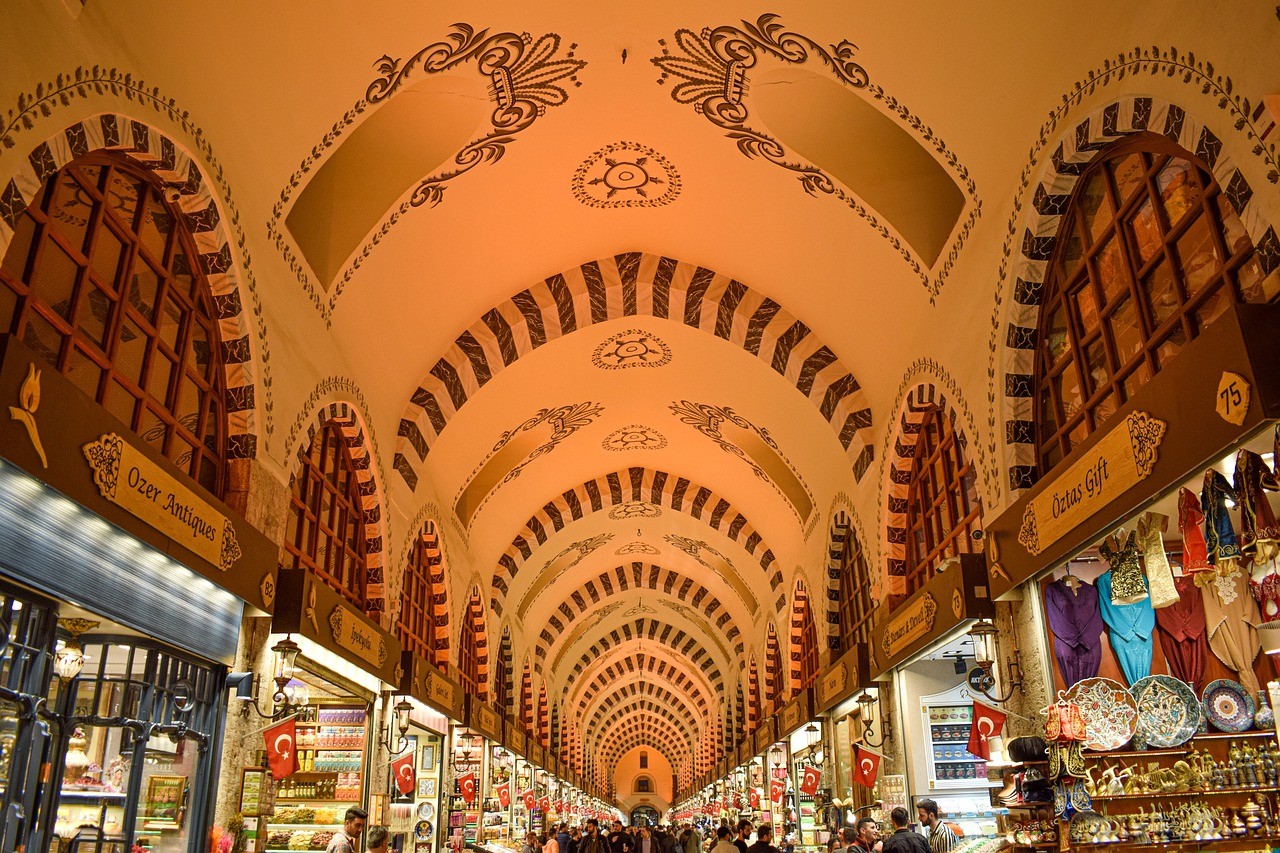
With more than 4,000 shops spread across 61 covered streets, the Grand Bazaar (Kapalıçarşı) is one of the oldest and largest covered markets in the world. Making your way through its labyrinthine aisles — past spices, ceramics, carpets, gold and leather — is an experience in itself.
Beyond the peninsula
The Bosphorus
No visit to Istanbul is complete without a Bosphorus cruise. Gliding between Europe and Asia, past Ottoman palaces, wooden houses (yalı) and medieval fortresses, gives you an entirely different perspective on the city.
Beyoğlu and İstiklal Avenue
İstiklal Avenue is the social heart of modern Istanbul — a long pedestrian street lined with 19th-century European-style buildings, art galleries, restaurants, and one of the city’s last nostalgic trams.
Dolmabahçe Palace
Built in 1856 as the new Ottoman imperial seat, Dolmabahçe Palace is dizzyingly opulent — 285 rooms, 44 halls, a 4.5-tonne crystal chandelier, and a magnificent position on the shore of the Bosphorus.
Food
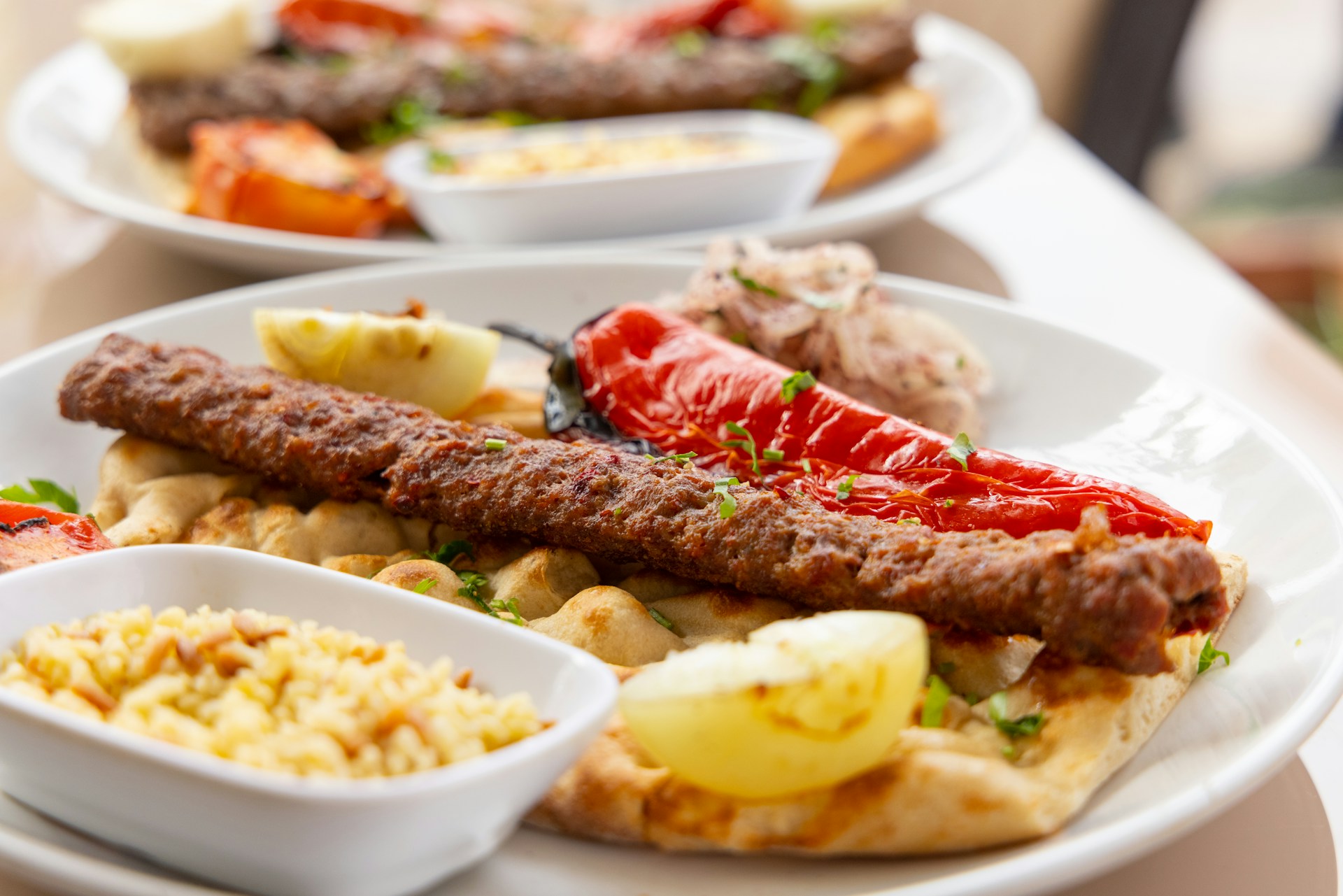
Istanbul’s food scene is world class. Do not leave without tasting:
Simit — sesame-crusted bread ring, sold at street stalls
Balık ekmek — grilled fish sandwich from the boats at Eminönü
Meze — small plates of vegetables, cheeses and seafood in a traditional meyhane (tavern)
Baklava — especially from the renowned pastry shops of Kağıthane
Turkish tea — served in tulip-shaped glasses, everywhere, always
Practical tips
Getting around: The city has an efficient network of metro, tram and ferry lines. The İstanbulkart is a rechargeable card valid on all public transport.
Best time to visit: April–June and September–October. Summer is hot and extremely busy.
Allow: At least 3 to 4 days to see the main sites without rushing.
From Antalya: A 1-hour flight or an overnight bus. Our Turkish Riviera Circuit and our Express Anatolia Tour both include Istanbul.
Istanbul is not just a stop on a Turkish itinerary — it is a destination in its own right. A city that rewards slow exploration, unplanned detours, and a willingness to get happily lost.