
Que voir et que faire à Istanbul
Istanbul est l'une des grandes villes du monde — la seule métropole qui s'étend sur deux continents, et un lieu où les strates des empires (romain, byzantin, ottoman) sont encore tangibles dans chaque quartier. Elle est immense, complexe, et d'une fascination sans fin.
La péninsule historique
La plupart des monuments emblématiques d'Istanbul sont concentrés sur la péninsule historique, la ville originelle que les Romains appelaient Constantinople.
Sainte-Sophie
Sainte-Sophie (Ayasofya) en est le joyau. Construite comme cathédrale en 537 apr. J.-C., transformée en mosquée après la conquête ottomane de 1453, reconvertie en musée en 1934, puis rendue au statut de mosquée en 2020, elle a été témoin de plus d'histoire que presque n'importe quel autre édifice sur terre. Son immense dôme doré — une prouesse d'ingénierie qui fut le plus grand du monde pendant près de mille ans — est à couper le souffle sous tous les angles.
La Mosquée Bleue
Face à Sainte-Sophie, la Mosquée Sultan Ahmed (Mosquée Bleue) est célèbre pour ses six minarets et les 21 000 carreaux d'Iznik bleus qui ornent ses murs intérieurs. Elle reste un lieu de culte actif, les visites sont donc organisées selon les horaires de prière.
Le Palais de Topkapi
Pendant trois siècles, le Palais de Topkapi fut le centre de l'Empire ottoman. Son trésor renferme des objets stupéfiants — le Poignard de Topkapi, le Diamant du Cuilleron, et des reliques saintes venues de tout le monde islamique. La section du harem révèle la vie privée des sultans.
Le Grand Bazar
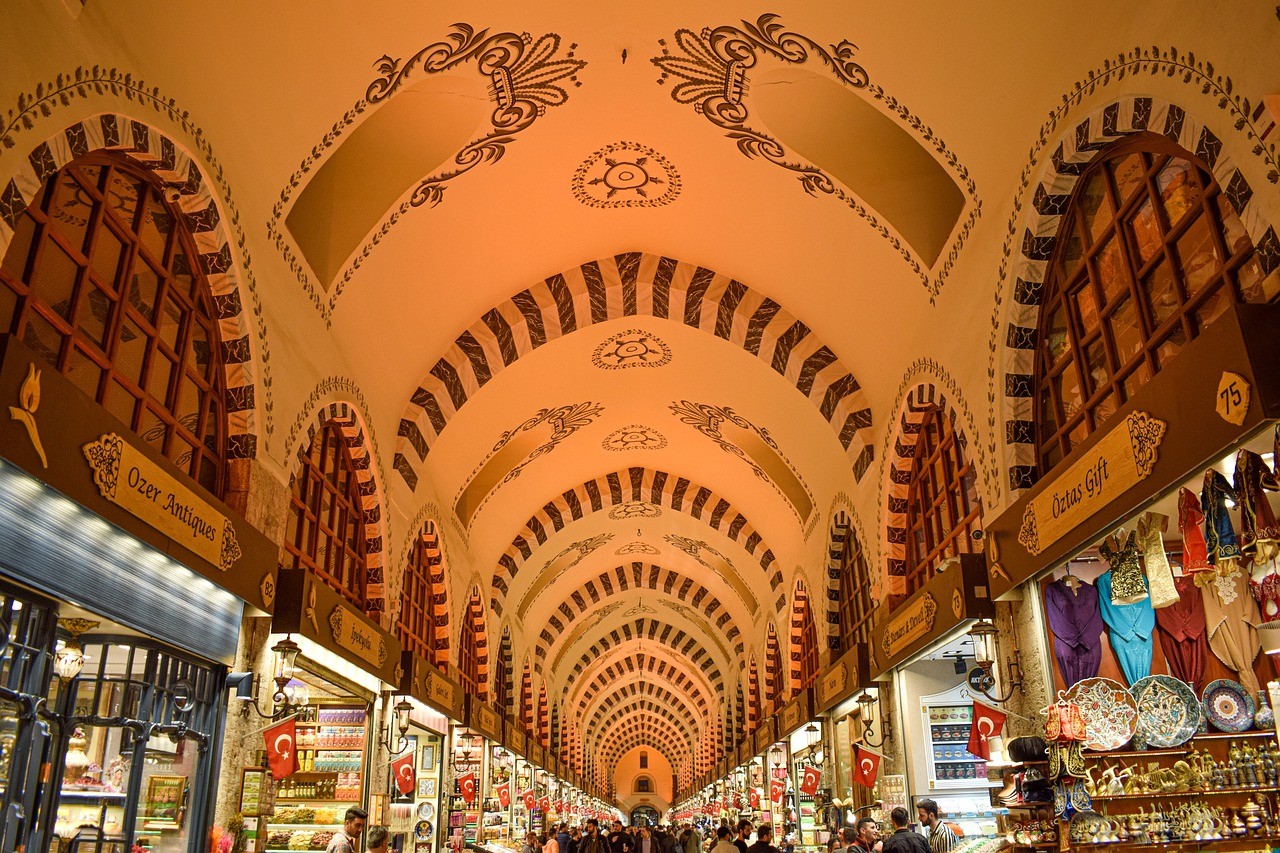
Avec plus de 4 000 boutiques réparties sur 61 rues couvertes, le Grand Bazar (Kapalıçarşı) est l'un des plus anciens et des plus grands marchés couverts du monde. Parcourir ses allées labyrinthiques — entre épices, céramiques, tapis, or et cuir — est une expérience en soi.
Au-delà de la péninsule
Le Bosphore
Aucune visite d'Istanbul n'est complète sans une croisière sur le Bosphore. Glisser entre l'Europe et l'Asie, devant des palais ottomans, des maisons en bois (yalı) et des forteresses médiévales, vous offre une perspective totalement différente sur la ville.
Beyoğlu et l'avenue İstiklal
L'avenue İstiklal est le cœur social de l'Istanbul moderne — une longue rue piétonne bordée d'édifices de style européen du XIXe siècle, de galeries d'art, de restaurants, et de l'un des derniers tramways nostalgiques de la ville.
Le Palais de Dolmabahçe
Construit en 1856 comme nouveau siège impérial ottoman, le Palais de Dolmabahçe est d'une opulence vertigineuse — 285 salles, 44 halls, un lustre en cristal de 4,5 tonnes, et une position splendide en bord de Bosphore.
Gastronomie
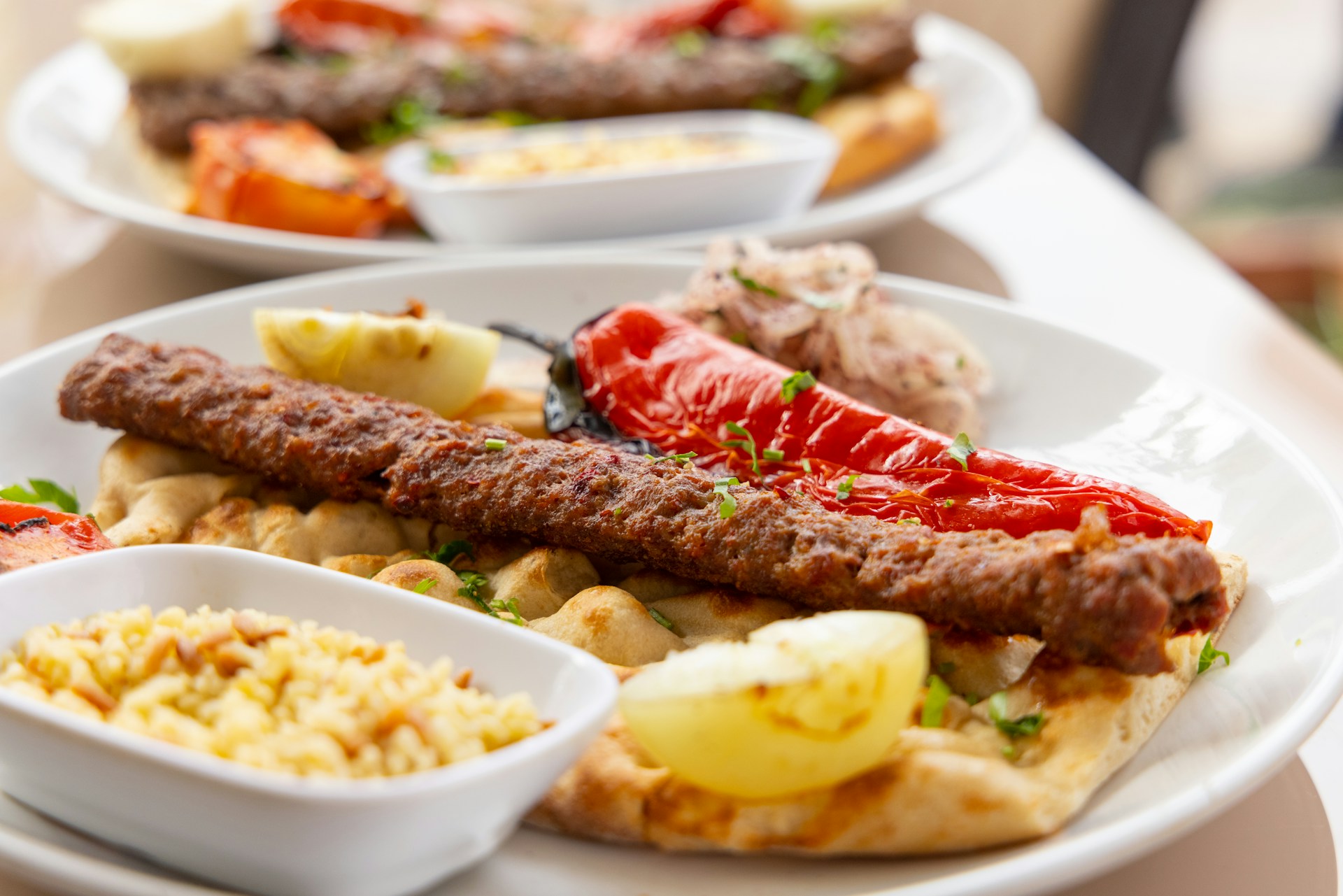
La scène gastronomique d'Istanbul est de classe mondiale. Ne repartez pas sans avoir goûté :
Le simit — couronne de pain enrobée de sésame, vendue aux stands de rue
Le balık ekmek — sandwich au poisson grillé depuis les bateaux d'Eminönü
Les mezze — petites assiettes de légumes, fromages et fruits de mer dans un meyhane traditionnel (taverne)
Le baklava — notamment dans les pâtisseries renommées de Kağıthane
Le thé turc — servi dans des verres en forme de tulipe, partout, toujours
Conseils pratiques
Se déplacer : La ville dispose d'un réseau efficace de métro, tram et ferry. L'Istanbulkart est une carte rechargeable valable sur tous les transports en commun.
Meilleure période de visite : Avril–juin et septembre–octobre. L'été est chaud et extrêmement fréquenté.
Prévoir : Au moins 3 à 4 jours pour visiter les principaux sites sans se presser.
Depuis Antalya : 1 heure de vol ou bus de nuit. Notre Circuit Riviera Turque et notre Tour Express Anatolie incluent tous deux Istanbul.
Istanbul n'est pas qu'une étape dans un itinéraire turc — c'est une destination à part entière. Une ville qui récompense l'exploration lente, les détours imprévus, et la volonté de se perdre avec bonheur.