
Guide de voyage de la côte égéenne
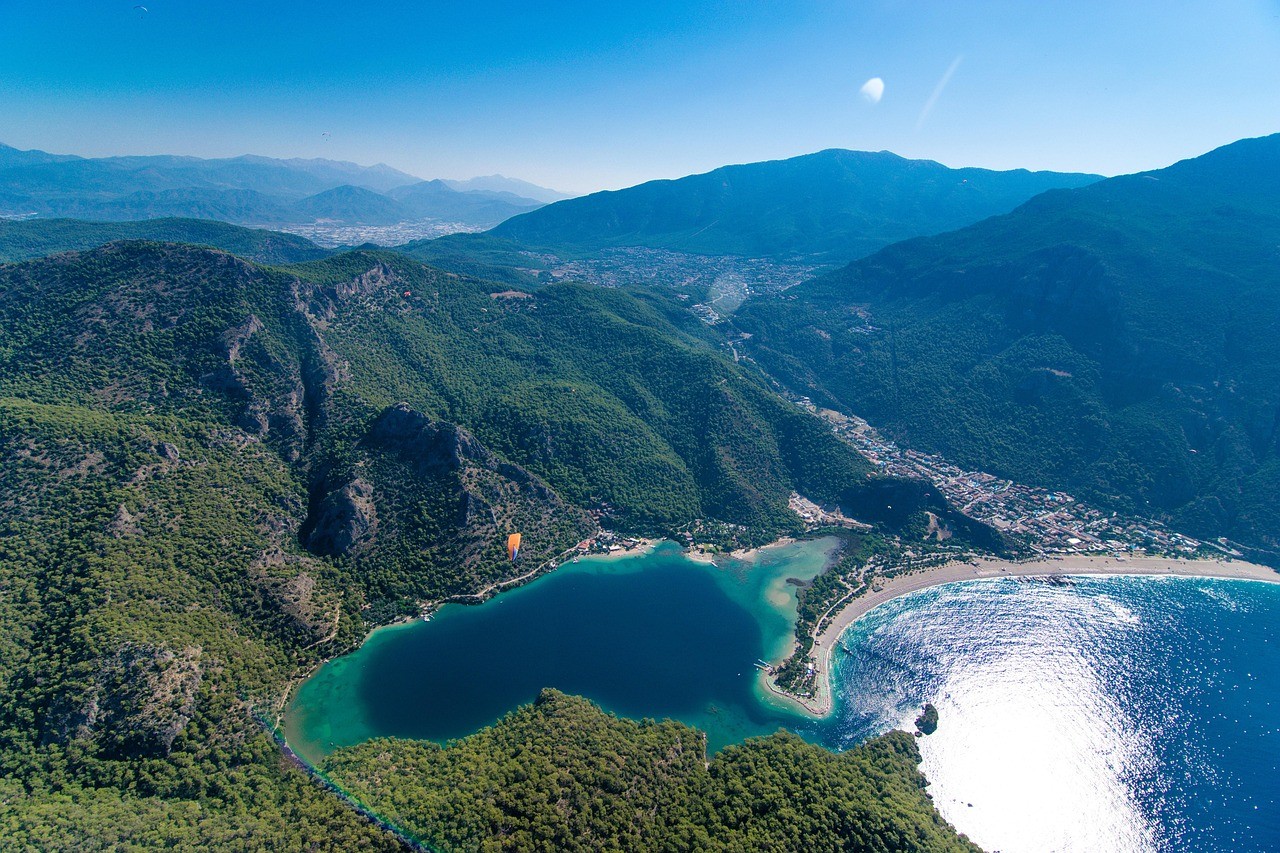
La côte égéenne turque s'étend sur plus de 2 500 kilomètres, des Dardanelles au nord jusqu'au point où commence la Méditerranée près de Marmaris. C'est un littoral d'une extraordinaire variété : cités grecques et romaines antiques, villages de pêcheurs traditionnels, oliveraies et vignobles, et certaines des eaux les plus bleues du monde.
Éphèse
Éphèse (Efes) est l'une des cités antiques les mieux conservées du monde et le site archéologique le plus visité de Turquie. À son apogée, c'était la deuxième plus grande ville de l'Empire romain après Rome, avec environ 250 000 habitants.
Parcourir ses rues pavées de marbre — devant la Bibliothèque de Celsus, le grand théâtre pouvant accueillir 25 000 spectateurs, le Temple d'Hadrien et les maisons en terrasse des nantis — est une expérience immersive qu'aucun musée ne peut offrir. À proximité, la Basilique Saint-Jean et la Maison de la Vierge Marie font de ce site un lieu de pèlerinage d'une profonde signification pour les chrétiens.
Pamukkale
Pamukkale signifie « Château de coton » en turc, et le nom est bien trouvé. Des sources d'eau chaude chargées de carbonate de calcium ont, au fil des millénaires, déposé d'éblouissantes terrasses de travertin blanc qui cascadent le long de la colline — l'un des paysages les plus irréels de Turquie.
Au sommet des terrasses se trouve Hiérapolis, une ancienne ville thermale où les Romains venaient prendre les eaux. Sa nécropole est l'une des plus grandes d'Anatolie, et le théâtre bien conservé donne sur le paysage blanc en contrebas.
Une expérience unique : la Piscine Antique d'Hiérapolis, où vous pouvez nager parmi des colonnes romaines immergées dans une eau thermale naturelle.
Bodrum
Bodrum (l'antique Halicarnasse) est la ville la plus cosmopolite de la côte égéenne turque — une cité portuaire aux maisons blanches couvertes de bougainvillées, une marina animée, et l'impressionnant Château Saint-Pierre, qui abrite aujourd'hui le Musée d'Archéologie Sous-Marine.
Bodrum est également le point de départ des croisières bleues — des voyages de plusieurs jours à bord de goélettes en bois longeant la côte, s'arrêtant dans des baies isolées inaccessibles par la route.
Didymes, Milet et Priène
Ces trois cités antiques sont souvent visitées ensemble lors d'un circuit depuis Kuşadası :
Didymes — l'emplacement de l'un des temples oraculaires les plus importants du monde antique, le Temple d'Apollon
Milet — grande cité commerciale et intellectuelle, berceau des premiers philosophes du monde
Priène — une cité hellénistique à flanc de colline avec un magnifique temple d'Athéna remarquablement intact
Kuşadası et la péninsule de Dilek
Kuşadası est la principale porte d'accès à Éphèse et un port de croisière très fréquenté. Le Parc national de la péninsule de Dilek tout proche offre des sentiers de randonnée à travers des forêts de pins et de superbes plages peu fréquentées.
La croisière bleue
Le tronçon de côte égéenne entre Bodrum et Marmaris est connu sous le nom de Côte turquoise et constitue le territoire classique de la croisière bleue à bord d'une goélette en bois traditionnelle. Les journées se passent à l'ancre dans des criques aux eaux cristallines, à nager depuis le bateau, et à dormir sous les étoiles. C'est l'une des façons les plus paisibles de découvrir la Turquie.
Conseils pratiques
Meilleure période de visite : Mai–juin et septembre–octobre. Les étés sont secs, chauds et très fréquentés sur les grands sites.
Depuis Antalya : Kuşadası est à environ 4 heures de route vers le nord ; Bodrum à environ 3 h 30. Notre Circuit De la Cappadoce à la Côte Égée couvre les sites incontournables.
Tenue : Des chaussures confortables sont indispensables pour marcher sur les pierres inégales des sites antiques. La protection solaire est essentielle.
Respect : De nombreux sites antiques sont fragiles — restez sur les chemins balisés et ne touchez ni n'emportez aucun artefact.
La côte égéenne mérite au moins une semaine si vous souhaitez l'explorer correctement. Combinée avec Antalya et la Cappadoce, elle forme l'un des plus beaux circuits de voyage au monde.