
Informations pratiques pour voyager en Turquie
La Turquie est l'un des pays les plus visités du monde, et pour cause : elle est grande, variée, abordable, et remarquablement bien organisée pour les touristes. Cela dit, un peu de préparation ne fait jamais de mal. Voici tout ce que vous devez savoir avant d'arriver.
Visa
La plupart des nationalités ont besoin d'un e-Visa pour entrer en Turquie, à obtenir en ligne sur www.evisa.gov.tr avant le départ. La procédure prend environ cinq minutes et le visa est valable 90 jours sur une période de 180 jours. Les citoyens de certains pays (dont le Japon, la Corée du Sud et quelques autres) peuvent entrer sans visa pour de courts séjours.
Vérifiez toujours le site officiel pour connaître les règles en vigueur applicables à votre passeport — elles changent régulièrement.
Monnaie et paiement
La monnaie turque est la Livre turque (TRY). Les taux de change fluctuent — il vaut la peine de vérifier le taux actuel avant votre départ.
Les distributeurs automatiques (DAB) sont très répandus dans les villes et les zones touristiques. Utiliser un DAB local avec une carte étrangère offre généralement un bon taux.
Le paiement par carte est accepté dans les hôtels, restaurants et boutiques à Antalya et dans les autres destinations touristiques.
Les espèces restent préférées dans les marchés locaux, les petits restaurants et les zones rurales.
Évitez les bureaux de change dans les aéroports ou les hôtels — les taux y sont défavorables. Privilégiez les DAB bancaires.
Langue
La langue officielle est le turc. À Antalya, Istanbul et dans les grandes destinations touristiques, l'anglais est largement parlé dans les hôtels, restaurants et agences de voyage. Le français, l'allemand et le russe sont également courants dans certaines zones.
Quelques mots de turc sont toujours appréciés :
Merhaba — Bonjour
Teşekkür ederim — Merci
Lütfen — S'il vous plaît
Evet / Hayır — Oui / Non
Ne kadar? — Combien ça coûte ?
Comment s'y rendre
L'aéroport d'Antalya (AYT) est l'un des plus fréquentés de Turquie, avec des vols directs depuis toute l'Europe, le Moyen-Orient et la Russie. De nombreuses compagnies low-cost et charters proposent des liaisons saisonnières.
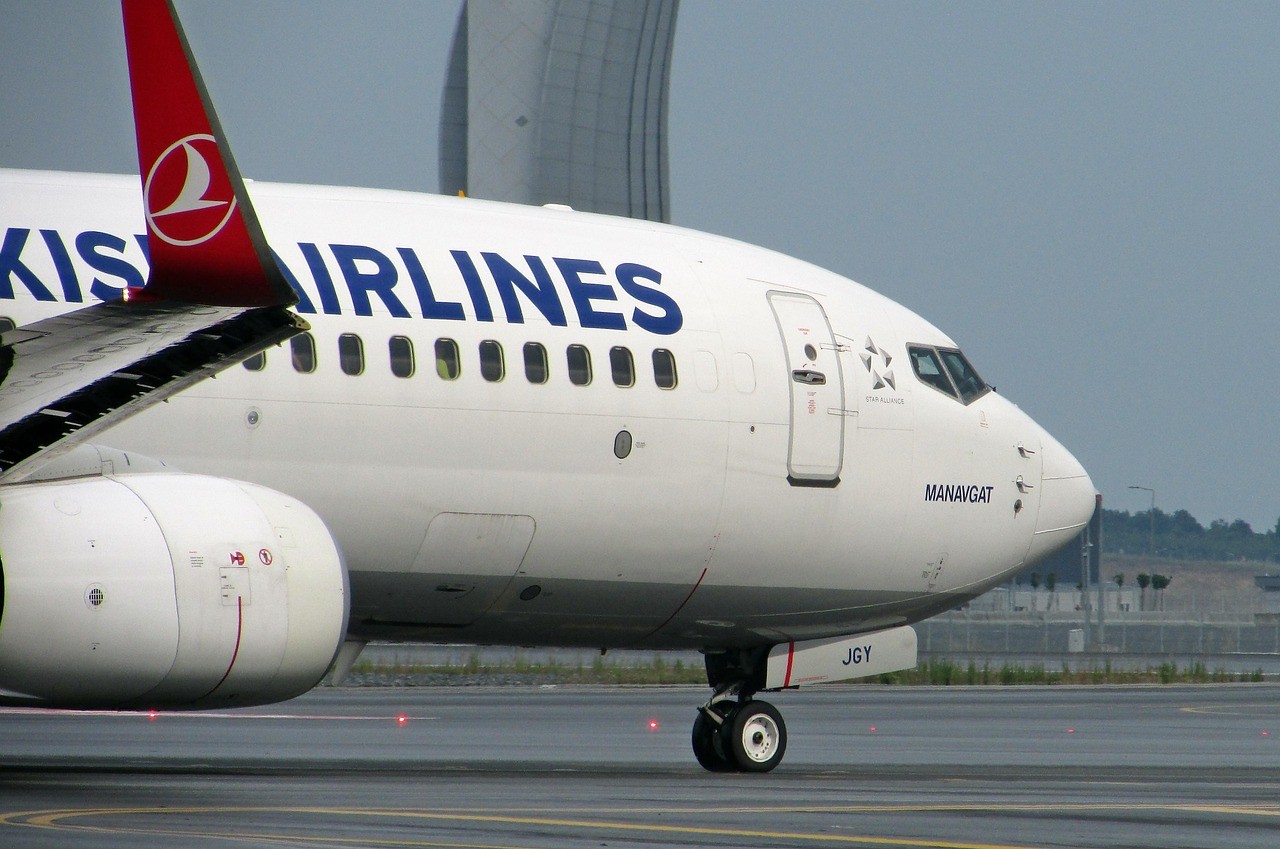
Istanbul dispose de deux aéroports : l'Aéroport d'Istanbul (IST) est le principal hub de Turkish Airlines et des connexions internationales ; Sabiha Gökçen (SAW) dessert les compagnies à bas coût.
Se déplacer
Vols intérieurs : La Turquie est vaste — voyager en avion entre les villes est souvent l'option la plus pratique. Turkish Airlines et Pegasus assurent des liaisons fréquentes entre Istanbul, Antalya, İzmir, la Cappadoce et d'autres destinations.
Bus interurbains : La Turquie dispose d'un excellent réseau de cars longue distance. Des compagnies comme Metro Turizm et Kamil Koç proposent des autocars confortables entre les grandes villes à des prix abordables.
Location de voiture : Simple dans les zones touristiques ; la conduite se fait à droite. Un permis de conduire international peut être requis selon votre nationalité.
Taxis : Disponibles partout. En ville, insistez pour le compteur ou convenez d'un prix avant de monter.
Transports locaux : Antalya dispose d'un réseau de tramway et de minibus locaux (dolmuş) desservant la plupart des quartiers.
Santé
Eau du robinet : Déconseillée à la consommation dans la plupart des régions. L'eau en bouteille est peu chère et disponible partout.
Hygiène alimentaire : La restauration de rue et les restaurants turcs sont généralement sûrs. Privilégiez les endroits fréquentés et bien achalandés.
Vaccinations : Aucune vaccination spécifique n'est requise pour la Turquie. Les vaccinations standard (hépatite A, typhoïde) sont recommandées comme pour toute destination.
Pharmacies (Eczane) : Bien approvisionnées et tenues par des pharmaciens compétents. De nombreux médicaments courants sont disponibles sans ordonnance.
Assurance voyage : Vivement recommandée. La Turquie dispose de bons hôpitaux privés, mais les frais de traitement sans assurance peuvent être élevés.
Climat
Le climat varie selon les régions :
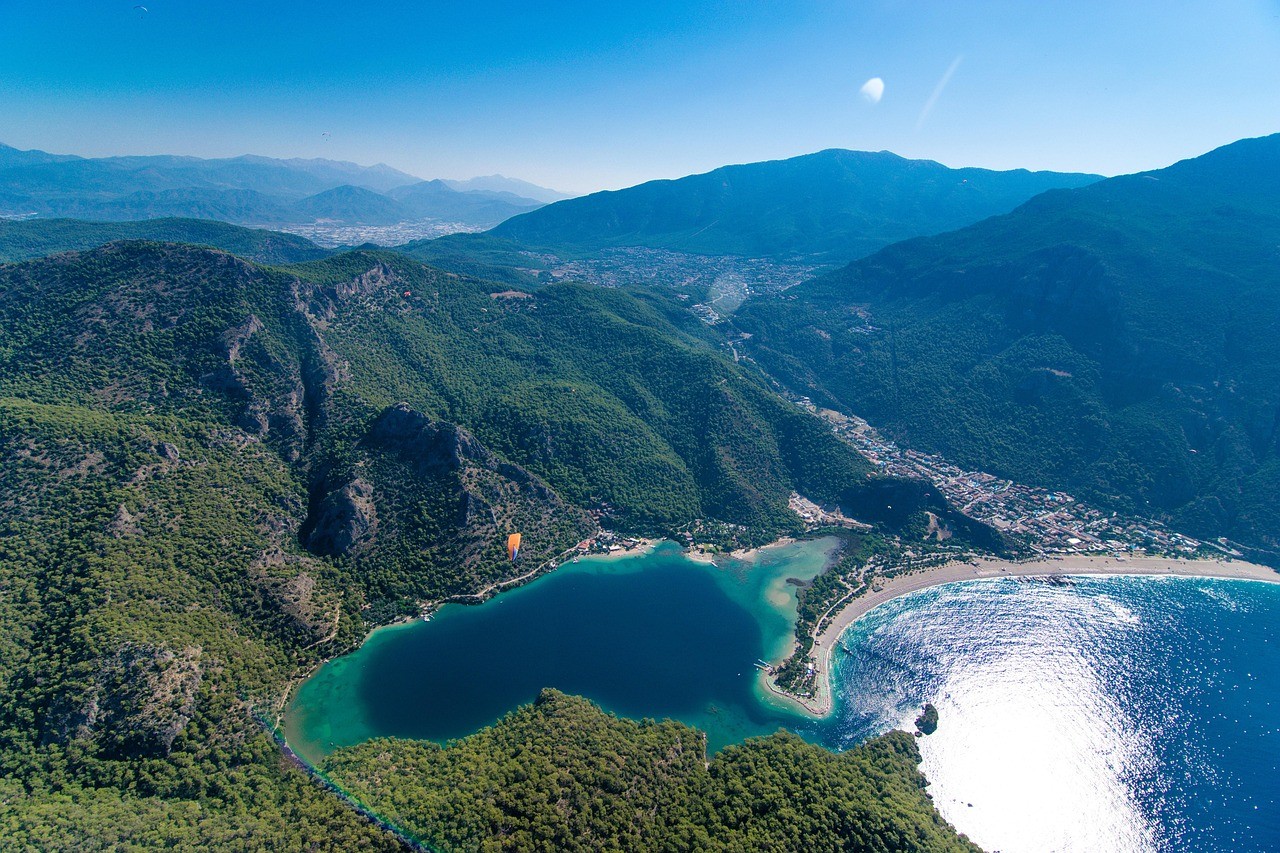
Côte méditerranéenne (Antalya) : Étés chauds et secs (juin–septembre) ; hivers doux, parfois pluvieux. Meilleures périodes : avril–juin et octobre–novembre.
Cappadoce : Climat continental. Étés chauds, hivers froids avec de la neige. Meilleures périodes : mai–juin et septembre–octobre.
Istanbul : Climat tempéré avec des hivers doux. Peut être visitée toute l'année ; très fréquentée en été.
Étiquette et culture
Mosquées : Retirez vos chaussures avant d'entrer. Habillez-vous modestement (épaules et genoux couverts). Les femmes doivent apporter un foulard. Visitez en dehors des heures de prière ou attendez en silence.
Salutations : La poignée de main est de mise. Les amis proches peuvent se saluer avec un baiser sur chaque joue.
Hospitalité : L'hospitalité turque est authentique et généreuse. Si vous êtes invité chez quelqu'un ou qu'on vous offre du thé, acceptez — refuser peut être perçu comme une offense.
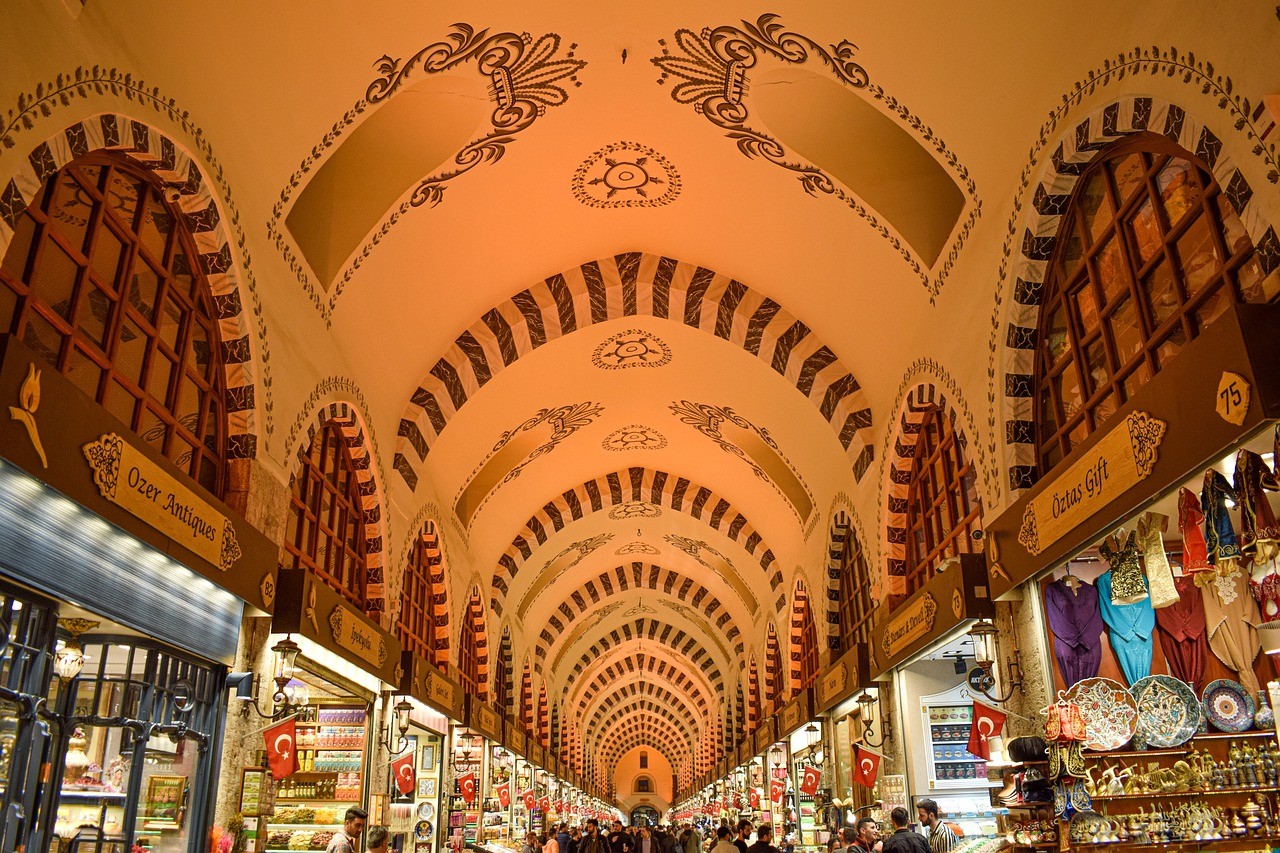
Marchandage : De rigueur dans les bazars et marchés ; pas dans les restaurants ni dans les boutiques à prix fixes.
Pourboire : Pas obligatoire, mais apprécié. 10 % est la norme dans les restaurants. Les porteurs d'hôtel, guides et chauffeurs sont généralement rémunérés en pourboire.
Tenue vestimentaire : La Turquie est un pays laïc et le code vestimentaire est détendu dans les villes et les zones touristiques. Une tenue sobre est appréciée dans les petites villes et les sites religieux.
Sécurité
La Turquie est un pays sûr pour les touristes. Les principaux risques sont les mêmes que dans toute destination populaire : vols à la tire dans les zones fréquentées, arnaques avec les taxis et escroqueries ciblant les touristes dans les bazars. Faites preuve de la même vigilance que dans n'importe quelle grande ville européenne.
Numéros d'urgence :
Police : 155
Ambulance : 112
Pompiers : 110
Police touristique (Antalya) : disponible via la réception de votre hôtel
Si vous avez des questions spécifiques sur votre voyage à Antalya et dans la région, n'hésitez pas à contacter Yücel Taşyürek directement. La connaissance du terrain fait toute la différence.