
Practical Travel Information for Türkiye
Türkiye is one of the most visited countries in the world, and with good reason: it is large, varied, affordable, and remarkably well organised for tourists. That said, a little preparation never hurts. Here is everything you need to know before you arrive.
Visas
Most nationalities need an e-Visa to enter Türkiye, obtained online at www.evisa.gov.tr before departure. The process takes about five minutes and the visa is valid for 90 days within a 180-day period. Citizens of certain countries (including Japan, South Korea and a few others) can enter without a visa for short stays.
Always check the official website for the rules currently applying to your passport — they change regularly.
Currency and payment
The Turkish currency is the Turkish lira (TRY). Exchange rates fluctuate — it is worth checking the current rate before you leave.
ATMs are widespread in cities and tourist areas. Using a local ATM with a foreign card generally gives you a good rate.
Card payment is accepted in hotels, restaurants and shops in Antalya and the other tourist destinations.
Cash is still preferred in local markets, small restaurants and rural areas.
Avoid exchange offices at airports or hotels — the rates there are poor. Use bank ATMs instead.
Language
The official language is Turkish. In Antalya, Istanbul and the major tourist destinations, English is widely spoken in hotels, restaurants and travel agencies. French, German and Russian are also common in certain areas.
A few words of Turkish are always appreciated:
Merhaba — Hello
Teşekkür ederim — Thank you
Lütfen — Please
Evet / Hayır — Yes / No
Ne kadar? — How much is it?
Getting there
Antalya Airport (AYT) is one of the busiest in Türkiye, with direct flights from across Europe, the Middle East and Russia. Many low-cost and charter airlines operate seasonal routes.
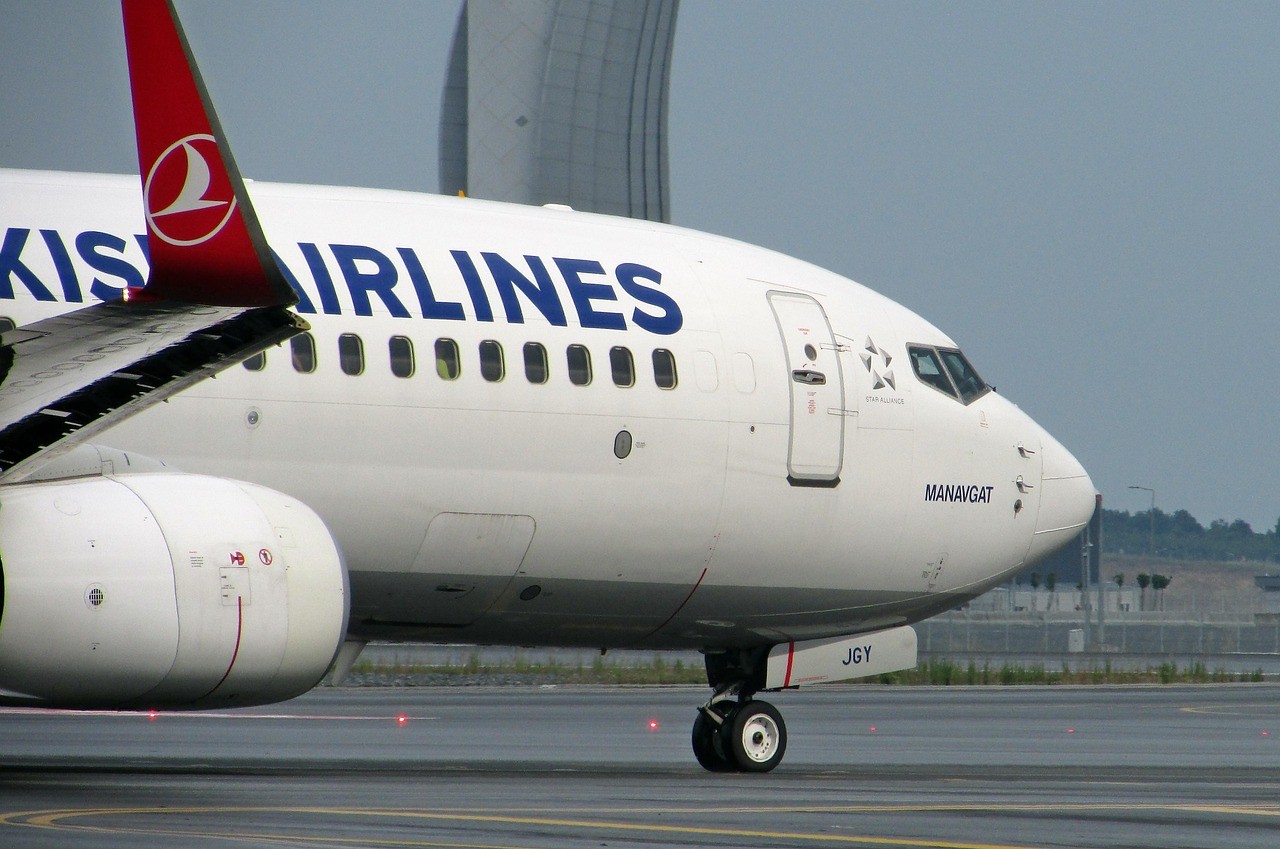
Istanbul has two airports: Istanbul Airport (IST) is the main hub for Turkish Airlines and international connections; Sabiha Gökçen (SAW) serves the low-cost carriers.
Getting around
Domestic flights: Türkiye is vast — flying between cities is often the most practical option. Turkish Airlines and Pegasus operate frequent services between Istanbul, Antalya, İzmir, Cappadocia and other destinations.
Intercity buses: Türkiye has an excellent long-distance coach network. Companies such as Metro Turizm and Kamil Koç run comfortable coaches between the major cities at affordable prices.
Car hire: Straightforward in tourist areas; driving is on the right. An international driving permit may be required depending on your nationality.
Taxis: Available everywhere. In town, insist on the meter or agree a price before getting in.
Local transport: Antalya has a tram network and local minibuses (dolmuş) serving most neighbourhoods.
Health
Tap water: Not recommended for drinking in most regions. Bottled water is cheap and available everywhere.
Food hygiene: Turkish street food and restaurants are generally safe. Favour busy places with a high turnover.
Vaccinations: No specific vaccinations are required for Türkiye. Standard vaccinations (hepatitis A, typhoid) are recommended as for any destination.
Pharmacies (Eczane): Well stocked and run by qualified pharmacists. Many common medicines are available without a prescription.
Travel insurance: Strongly recommended. Türkiye has good private hospitals, but treatment costs without insurance can be high.
Climate
The climate varies from region to region:
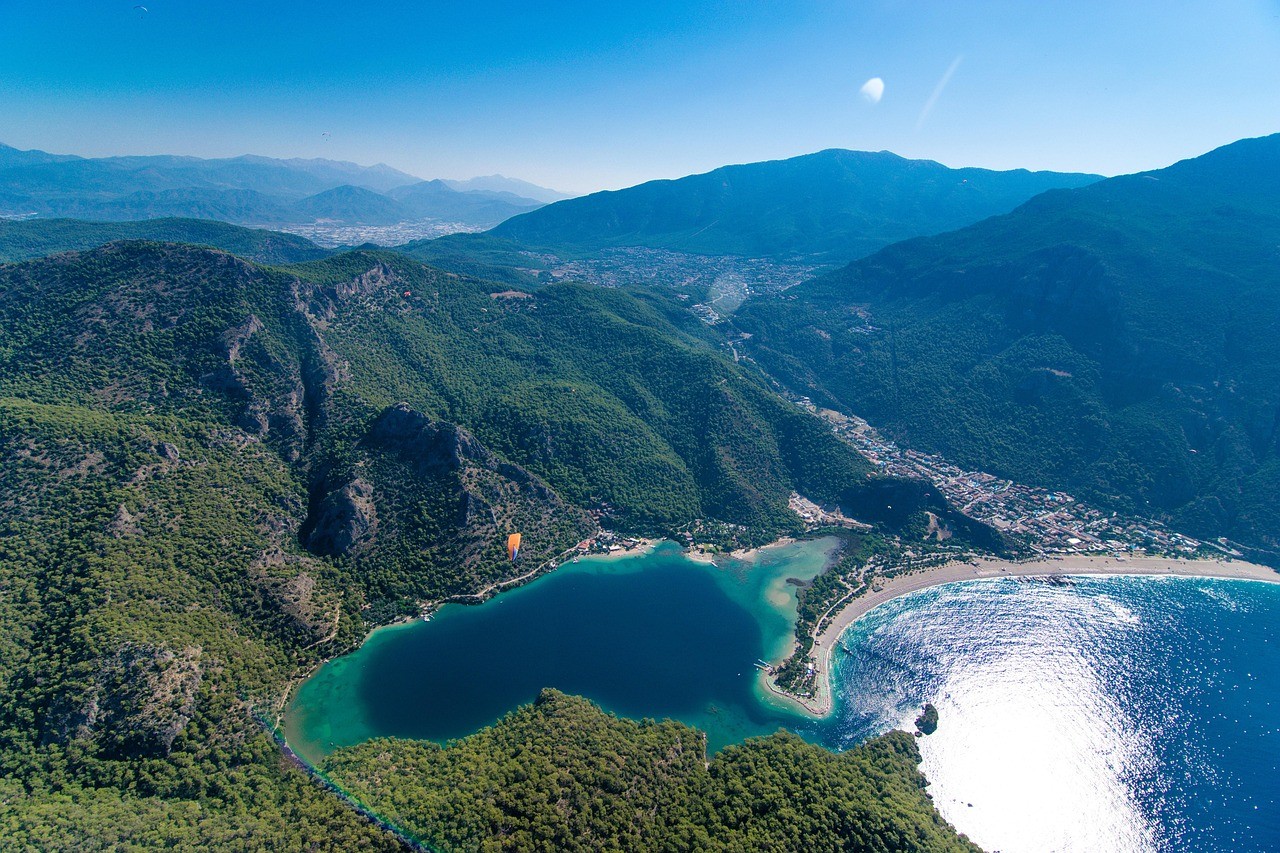
Mediterranean coast (Antalya): Hot, dry summers (June–September); mild winters, sometimes rainy. Best periods: April–June and October–November.
Cappadocia: Continental climate. Hot summers, cold winters with snow. Best periods: May–June and September–October.
Istanbul: Temperate climate with mild winters. Can be visited all year round; very busy in summer.
Etiquette and culture
Mosques: Remove your shoes before entering. Dress modestly (shoulders and knees covered). Women should bring a headscarf. Visit outside prayer times or wait quietly.
Greetings: A handshake is customary. Close friends may greet each other with a kiss on each cheek.
Hospitality: Turkish hospitality is genuine and generous. If you are invited into someone’s home or offered tea, accept — refusing can be taken as an offence.
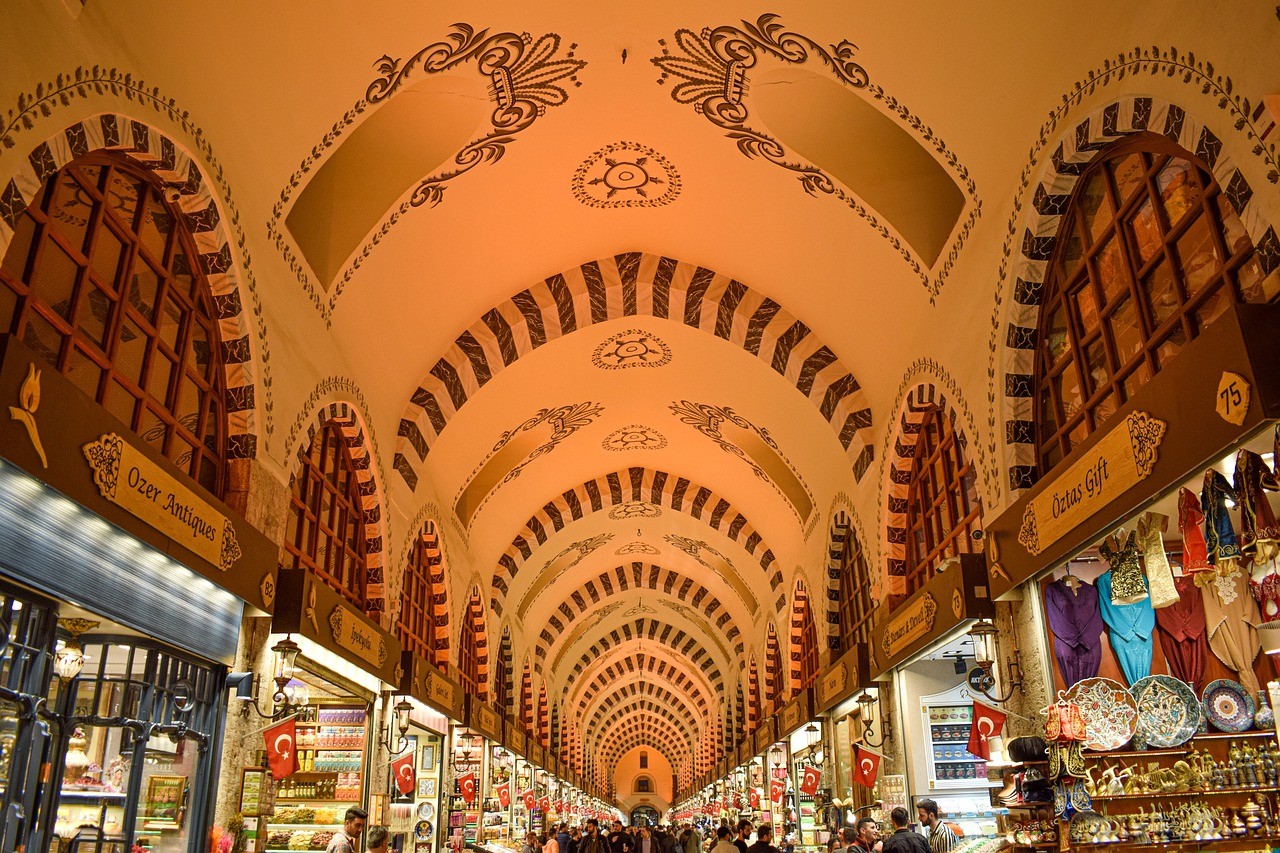
Haggling: Expected in bazaars and markets; not in restaurants or fixed-price shops.
Tipping: Not compulsory, but appreciated. 10% is the norm in restaurants. Hotel porters, guides and drivers are generally paid in tips.
Dress: Türkiye is a secular country and the dress code is relaxed in cities and tourist areas. Modest clothing is appreciated in small towns and at religious sites.
Safety
Türkiye is a safe country for tourists. The main risks are the same as in any popular destination: pickpocketing in busy areas, taxi scams and tourist-targeted swindles in the bazaars. Exercise the same vigilance as you would in any large European city.
Emergency numbers:
Police: 155
Ambulance: 112
Fire brigade: 110
Tourist police (Antalya): available through your hotel reception
If you have specific questions about your trip to Antalya and the surrounding region, feel free to contact Yücel Taşyürek directly. Local knowledge makes all the difference.